
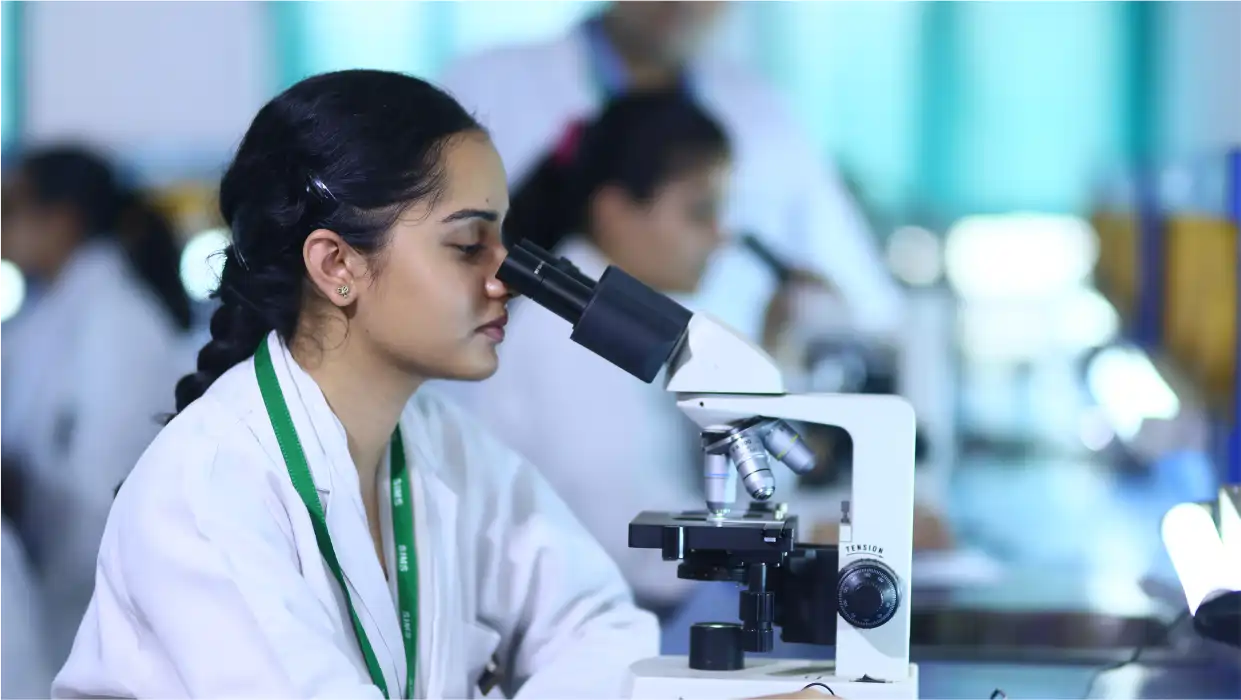
Medicine is one of those fields where knowing something and actually doing it are worlds apart. A student can memorise every symptom of a condition and still freeze when standing in front of a real patient going through it. That gap between theory and practice is exactly what clinical training in medical colleges exists to close, and it is why both students and institutions take it far more seriously today than they ever did before.
What Clinical Training Actually Is
Clinical training is learning that takes place inside a working hospital rather than a classroom. Students watch how experienced doctors handle cases, speak directly with patients, follow treatment decisions as they happen, and slowly take on supervised responsibilities of their own.
It is the part of a medical degree that connects everything from lectures to the reality of actual patient care. Without it, graduates come out understanding medicine on paper but struggling to practise it with any real confidence when it matters most.
Why Practical Learning Cannot Be Skipped
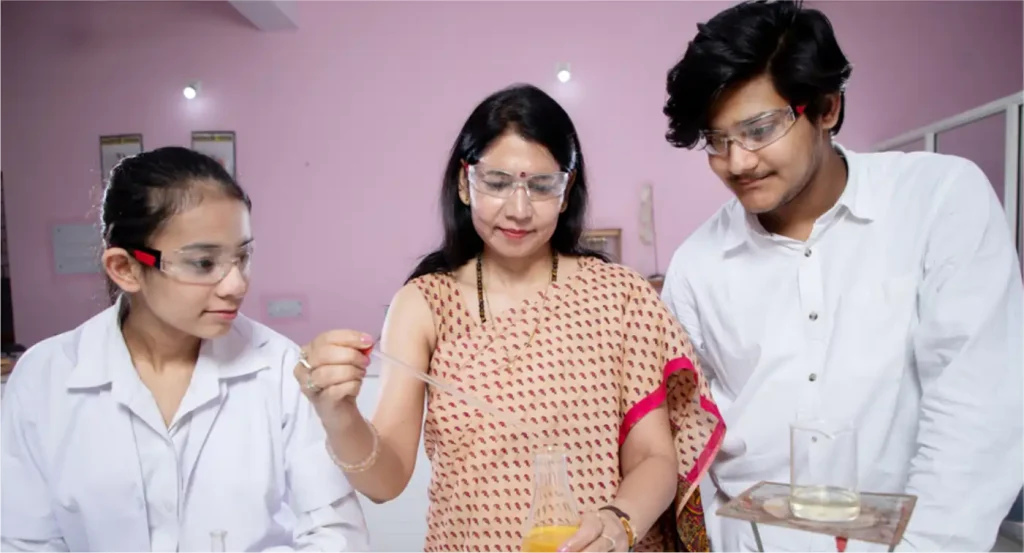
Reading about a disease gives you a framework. Seeing it in a real patient gives you understanding. Every working doctor knows those two things feel nothing alike.
Practical medical education sharpens clinical thinking in ways no textbook exercise ever can. Students learn to read a situation, handle uncertainty, and make decisions when the right answer is not obvious. They also learn to manage the pressure that comes with those decisions, something that only grows through real exposure, not just reading about it.
Building Confidence From the Start
Students who spend time in hospital settings from early in their course arrive at internships in a completely different state than those who have not. The environment is already familiar. Talking to patients feels less daunting. Clinical thinking has had proper time to develop.
Hospital training for medical students in Hapur gives students that early exposure through ward rounds, outpatient sittings, and hands-on supervised work. By the time exams arrive, these students are not just academically prepared; they are practically ready in a way that genuinely shows up in their work.
The Internship Year
The internship is where everything either holds up or falls short. Students shift from assisted participation to real responsibility, taking patient histories on their own, presenting cases, and making clinical decisions under senior guidance.
A medical internship in India covers multiple departments, giving students exposure to a wide range of conditions in a short period. Those who arrive with solid practical training behind them settle in fast. Those without it spend the first several months just finding their footing before any real learning can begin.
What It Means for Career Prospects
Hospitals hiring fresh graduates are not only checking marks. They want to know whether a candidate has actually worked in a clinical setting, dealt with real cases, and performed under supervision. That experience shows up immediately and cannot be dressed up on paper.
This is exactly why training in medical college with hospital in India has become a real differentiator. Students who have it stand out, and the people hiring notice it from the very first interview.
Choosing the Right College
When comparing colleges, look past the brochure and find out what clinical training genuinely looks like day to day. How many patients does the hospital see? Are students in wards regularly or only occasionally? Is the outpatient department active enough to provide real learning volume?
Strong clinical training in medical colleges depends on the consistency of hospital access, and that starts with picking a college where the hospital truly functions, not one that simply lists it as a feature.
Conclusion
Clinical training is not a supporting element of a medical degree. It sits right at the heart of it. The doctors who work with genuine confidence are almost always the ones who spent real time in clinical environments during their training, not just the ones who scored the highest in exams.
If you are choosing a college, put hospital training for medical students, Hapur, and proper clinical access at the very top of your list. Everything else builds from that one decision.