
Introduction
A decade ago, the conversation around medical admissions in India was almost entirely about scarcity, too few seats, too many applicants, and too little room for error at every stage. That conversation has not disappeared, but it has shifted. The landscape has changed in ways that carry real consequences for students making decisions about their medical education right now.
More Institutions, More Genuine Options
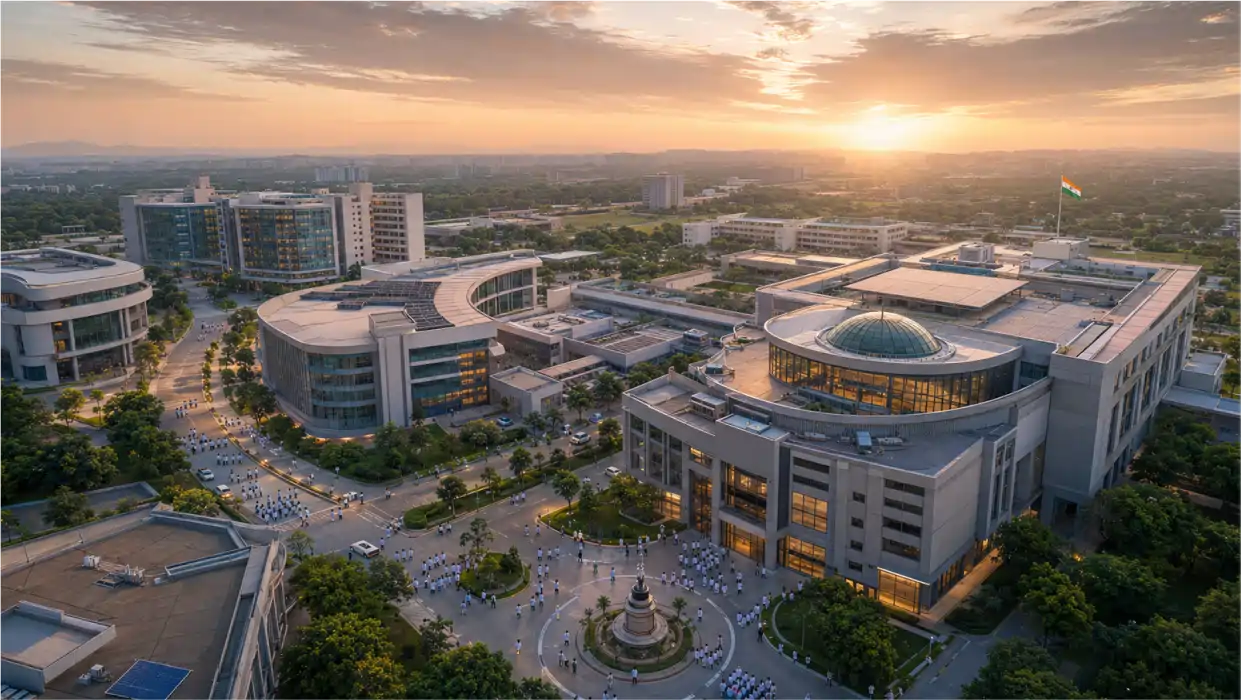
The number of medical colleges across India has grown considerably over the past several years, with new institutions established across multiple states not concentrated in a handful of cities but distributed in ways that have made quality medical education accessible in regions where it previously did not exist.
This expansion reflects a policy direction that recognised the gap between India’s healthcare workforce needs and the rate at which the existing system was producing graduates. The new medical colleges in India 2026 data make that recognition concrete: more institutions, more faculty positions, more clinical training infrastructure built from the ground up with current standards in mind.
For students, the practical meaning is straightforward. Options that did not exist three years ago exist now, and some of them are worth serious consideration.
What the Increase in Seats Actually Changes
The MBBS seats increase India does not eliminate competition. The number of students appearing for NEET continues to grow alongside the number of available seats, which means the exam remains as demanding as it has always been.
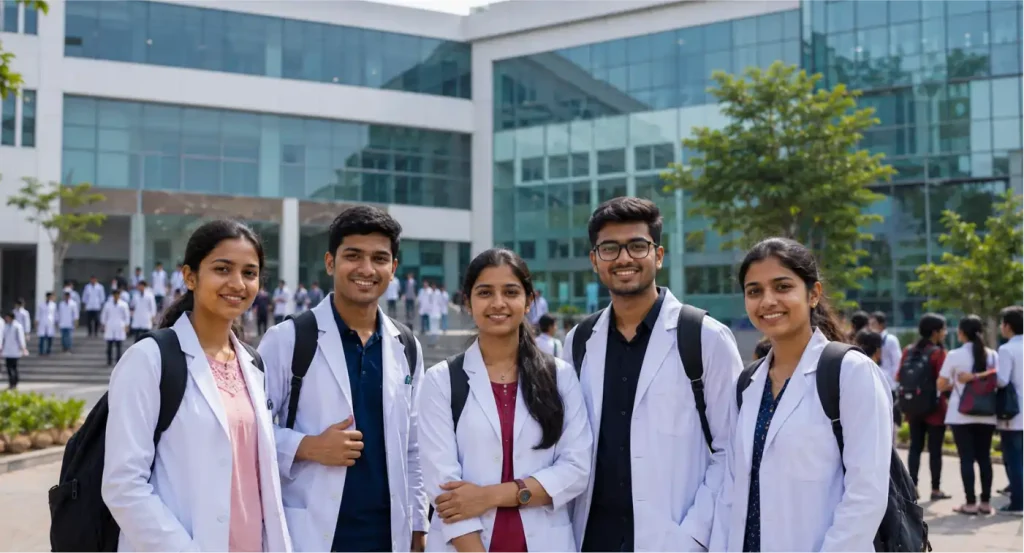
What has changed is the consequences of a mid range rank. Students who previously sat at a rank that left them with no realistic path into a medical college now have genuine options, not compromise options, but institutions with proper clinical infrastructure, qualified faculty, and hospital attachments that provide the patient exposure MBBS training requires.
Riya prepared through two NEET cycles before this expansion. She describes the shift in how she approached her second attempt, not with less pressure but with a clearer sense that a strong preparation would translate into a real outcome rather than a near miss with nowhere to go.
Technology Is Part of What These New Colleges Are Building
Institutions established in recent years have had the advantage of designing their learning infrastructure around current requirements rather than retrofitting older systems.
Digital classrooms, simulation laboratories, integrated online learning platforms, and AI assisted diagnostic training tools are features of colleges that were built with these expectations from the outset. The result is a generation of institutions that, in some specific areas, particularly technology integration, compare favourably with older, more established names.
The broader goal of the best healthcare education India is working toward these institutions maintaining and developing that infrastructure over time, not just at the point of opening.
Private Colleges Are Driving Much of This Growth
The majority of the expansion in medical college numbers has come through private institutions. This is a factual observation, not a criticism. Many of these colleges have invested seriously in clinical facilities, faculty recruitment, and hospital partnerships that produce genuine training environments.
Institutions in emerging education hubs, including a top medical college Hapur UP, and similar regional options, have drawn students who researched carefully and found that the combination of infrastructure, clinical exposure, and location served their needs better than more distant alternatives with longer histories but not necessarily better outcomes.
Aman compared six colleges before deciding. Three were in cities he would have needed to relocate to. Two were private institutions in his region. One of those regional options answered his specific questions about hospital patient volume, simulation lab access, and rotation structure more directly than any of the others. Geography was secondary to that clarity.
Quality Remains the Central Question
Expansion creates opportunity and introduces risk simultaneously. Not every institution that has opened in recent years has been built to the same standard. The regulatory framework governing medical college quality has strengthened, but the variation between institutions remains wide enough to matter significantly for a student’s five year training experience.
The questions worth asking before any college decision remain the same regardless of whether an institution is new or established, how many patients the attached hospital sees daily, how clinical rotations are structured, what the faculty to student ratio is in practical sessions, and what recent graduates say about their preparation for independent practice.
Neha visited four campuses and asked each the same set of questions. The answers varied enough to make her decision straightforward. The new medical colleges India 2026 that responded with specific, verifiable information earned her confidence. The ones that redirected her toward general assurances did not.
What This Means for Students Deciding Now
The growth of medical education infrastructure in India has genuinely improved the options available to students at every rank range. More seats, more institutions, and better distributed geographic access have created a landscape where a strong NEET preparation translates into a real path forward for more students than it did previously.
That improvement does not remove the responsibility of choosing carefully. A seat in the wrong institution, one with inadequate clinical exposure, underqualified faculty, or infrastructure that does not match its marketing, produces a graduate who is technically qualified and practically underprepared.
Conclusion
The expansion of medical colleges across India is a development worth understanding clearly, rather than either celebrating uncritically or dismissing it as a dilution of standards.
Medical colleges growth India has created genuine opportunities for students who research thoroughly, visit campuses honestly, and evaluate options based on training quality rather than name recognition alone.
The seats are there. Claiming the right one requires the same discipline that claiming any worthwhile outcome in medicine does.