
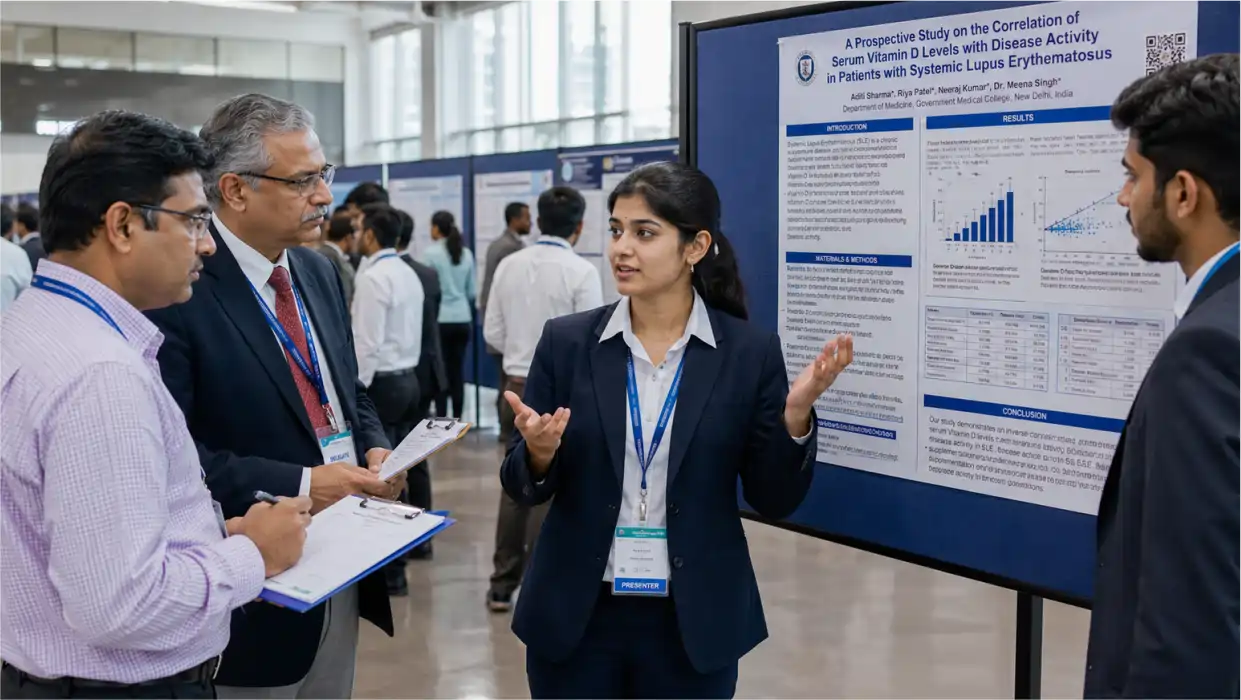
Medicine moves forward because someone asked a rigorous question and actually tested it. Getting exposed to medical research opportunities during MBBS isn’t just resume-building. It trains students to think critically about evidence, a skill that shapes how they’ll practise for decades after any specific project wraps up.
What Research Teaches Beyond the Findings Themselves
The exact question a student researches during MBBS matters less than the thinking it builds: forming a testable question, weighing existing evidence critically, and designing a study rigorous enough to actually mean something, and reporting results honestly even when they don’t confirm the original hypothesis. That’s the same muscle a practising doctor uses later when deciding whether a new treatment or guideline is genuinely well-supported, rather than just taking a claim at face value.
Benefits of Research Exposure During MBBS
- Critical appraisal skills are essential for reading medical literature for the rest of a career, not just during training
- Hands-on exposure to the scientific method that textbook study alone never quite gives
- Stronger postgraduate applications, since research experience often carries real weight in MD/MS admissions
- Faculty mentorship connections that can shape speciality choices and offer genuine long-term guidance
- A small contribution to evidence-based medicine, even from a modest student project
- Better writing and presentation ability, built through drafting abstracts or conference presentations
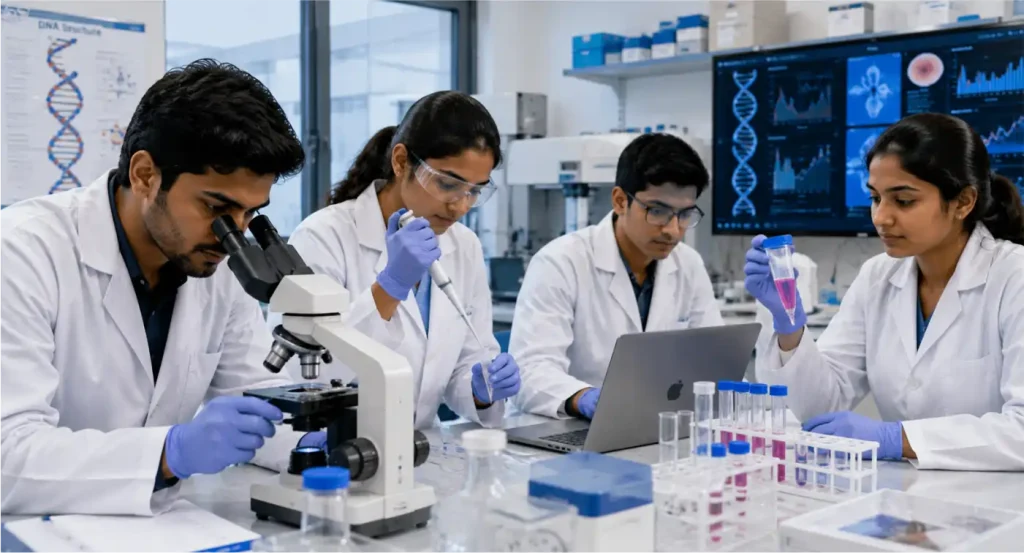
Common Barriers Students Face and How to Overcome Them
A lot of students assume research needs advanced expertise or a groundbreaking idea before they can start neither is true. The real barriers are usually not knowing how to begin, no mentor in sight, and underestimating how manageable a first project actually is. A short case report, or a small observational study inside an existing departmental project, is usually the most realistic way, and most faculty are far more willing to mentor an interested student than students expect if they just ask.
How Student Research Programs Work
Solid student research programs pair MBBS students with faculty mentors early, help shape a manageable research question, and guide them through data collection, analysis, and eventually presentation or publication. Short studentships, departmental projects, and case reports are all accessible entry points that don’t require prior research experience. These are all accessible entry points that don’t require prior research experience, making them suitable even for first- or second-year students who are simply curious.
Why Choose SIMS HapurWhy Choose SIMS Hapur
Our medical college in Hapur actively pushes MBBS research from the early clinical years, with faculty mentors across departments available to students wanting to join an ongoing project or start their own. Paired with strong clinical training, this gives SIMS students a real edge for postgraduate applications and a lasting habit of evidence-based thinking that follows them through their whole career.
Tips for Getting Started in Research
- Approach faculty whose research genuinely interests you, not whoever seems most convenient
- Start with a small case report or a modest observational study, not an overly ambitious first attempt
- Pick up basic statistics early, since you’ll need at least a foundational grasp to interpret your own data
- Sit in on departmental research meetings even before you have a project of your own
- Treat setbacks or inconclusive results as part of the process, not wasted effort
- Keep detailed records from day one. Disorganised data is one of the most avoidable mistakes
Conclusion
Why is research important in medicine? Because it builds the exact critical thinking every doctor needs to evaluate new treatments and evidence over a whole career, not just for one student project. Want to know more about research opportunities at SIMS Hapur? Contact our admissions office.